How trauma-informed spaces help healing
- File
- DS-0005
- Topic
- Safety and boundaries
- Byline
- Nikola Golux
- Date
- Jun 3, 2026
- Reading
- 3 min
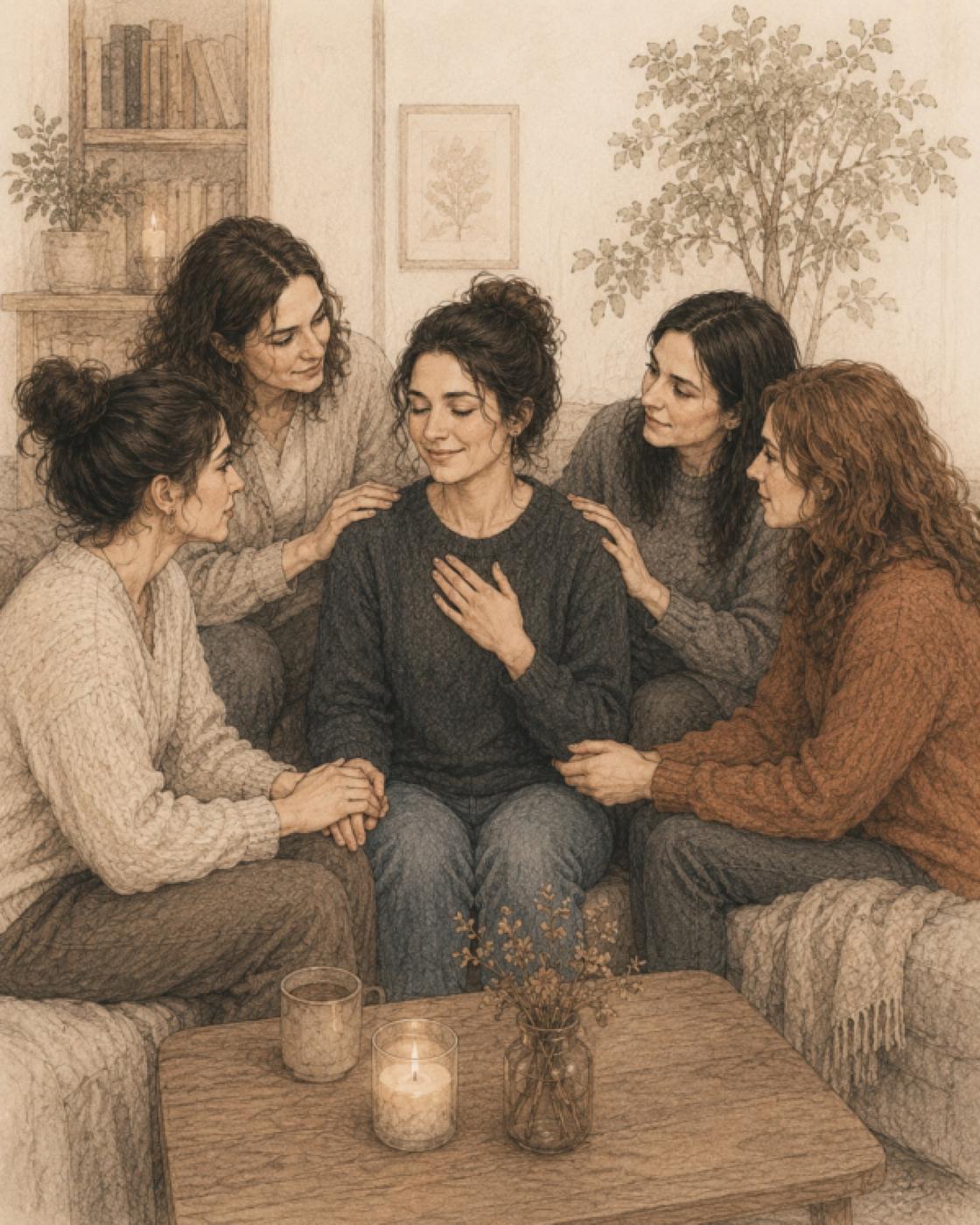
When a person survives violence, especially violence from someone she trusted, the wound doesn't stay only in the body or in memory. It often lives on through silence, doubt, shame and the fear that no one will believe her. That is why trauma-informed spaces matter: they don't ask survivors to prove their pain, but offer them safety, respect and the right to speak when they are ready.
The trauma-informed approach starts from a simple but profound truth: the question is not “what's wrong with you?” but “what happened to you?” A space like this doesn't pressure, doesn't judge and doesn't question a person's experience through suspicion. It understands that trauma can change the way a person remembers, reacts, trusts others and sees herself. Healing begins when the survivor feels seen, safe and worthy of respect again.
Sometimes the greatest beginning of healing is the very moment someone says: “I believe you.”
In a society that often protects the reputation of abusers while questioning those who survived abuse, it is important to build places where responsibility is returned to where it belongs. Titles, age, position, spirituality, art or public reputation must never be a shield for the abuse of power. When someone uses trust, faith, a therapeutic relationship, a teaching position or authority to hurt another person, it is not only an individual act of violence. It is also a betrayal by the community that had a duty to protect the vulnerable.
A space that understands trauma doesn't offer quick fixes. It doesn't tell survivors how they should feel, how fast they should move on or when they should forgive. Instead, it provides information, support and language for what happened. It helps a person understand that her reactions are not weakness, but the consequences of the violence she survived. It helps her rebuild her boundaries, her trust in herself and the sense that her experience has the right to be spoken.
Halfway along that path, it's important to understand one more thing: healing is not only the personal responsibility of the survivor. It also requires social change. We need systems, communities and institutions that can recognize the abuse of power, take testimony seriously and not shift the burden of proof, shame and silence onto those who have already been hurt. Only then does safety stop being a privilege and become a basic right.
01Conclusion: dignity as the beginning of change
Trauma-informed spaces remind us that healing doesn't begin with pressure, but with safety. It doesn't begin with judgment, but with belief. It doesn't begin with asking why someone stayed silent, but with being willing to finally hear what should never have been kept silent.
Dostojanstvo.rs exists as a place of support, education and testimony. As a reminder that trauma does not take away the worth of the person who survived it. As a call to build a culture in which violence does not hide behind authority, faith, art or reputation, and in which every person has the right to truth, safety and a life with dignity.